Career Accelerator Programme 2026

 25 August 2026
The programme was set up to help participants:
(1) develop their careers,
(2) build emotional intelligence,
(3) push past what's holding them back.
Three sessions in, and we are seeing improvement.
What they came in wanting
- Growing into people leadership — moving from hands-on “doer” to confident delegator, and building the confidence to make decisions and lead difficult conversations.
- Handling pressure and the unexpected — staying steady in situations that are ambiguous, fast-moving, or don't follow a script, whether that's on a call, in a meeting, or in a room full of new faces.
- Communicating with impact — giving feedback that lands well, and finding their voice in bigger groups and less familiar settings.
Masterminding — the kinds of challenges brought to the group
Every session includes structured peer masterminding, where each participant brings a live workplace challenge for the group to work through together. To protect confidentiality, individual cases aren't detailed here — but topics have included things like:
- Stepping into a leadership role while feeling too new, junior, or inexperienced to be taken seriously.
- Navigating a challenging conversation with a member of staff in probation about behaviour not performance.
- Supporting a team member through a difficult personal period, and knowing where the boundaries of that support sit.
What the sessions have delivered & closing words (how each session landed)
- Session 1 — Neurodiversity model called SPACES, Karpman’s triangle
- Participants said: Informative; Relatable; Enlightening; More interesting than expected
- Session 2 — Tuckmans’ team-development stage models (forming/norming/storming etc), Chimp Paradox, and Transactional Analysis
- Participants said: Really interesting; Focus on self rather than other people; clicked about the conflicts in my brain; refreshing reminder that human, eye opening; lightbulb moment on tuckman
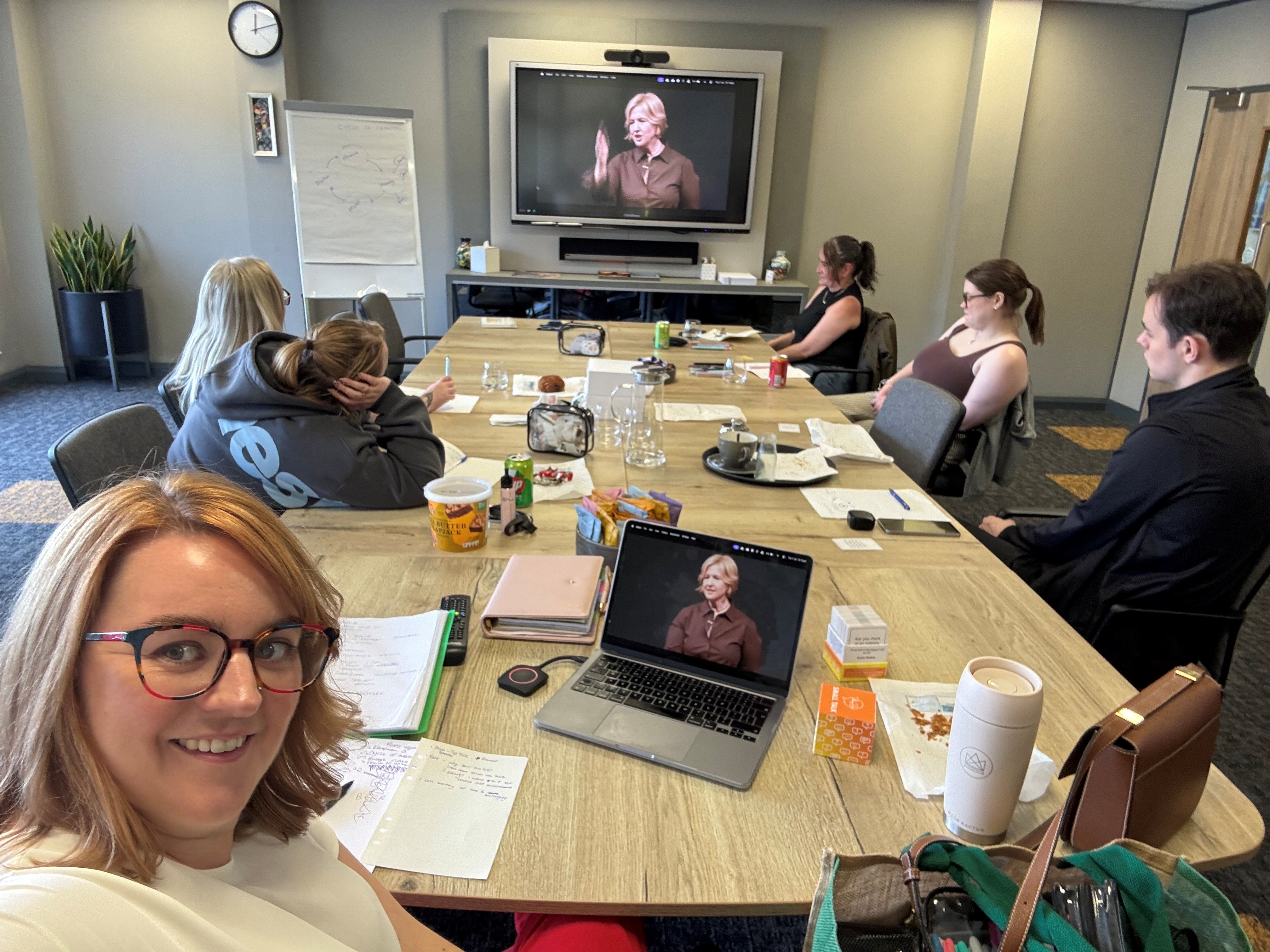
- Session 3 — Brené Brown's – Power of Vulnerability; Cycle of Creation (how we create meaning from moments), neuroscience video
- Participants said: can’t control others; vulnerability is not a weakness, it’s a strength; lean into the discomfort; knowing to have the fear & do it anyway; knowing you can do it – however uncomfortable
Pushing their comfort zone
Each session also ends with a personal comfort-zone commitment. Recent examples include: having conversations they'd been avoiding; trying a new food or drink; treating a work challenge as something to lean into rather than dodge; and small, deliberate acts of self-permission — practising “feeling the fear and doing it anyway.” Or just getting into action.
Next steps
We have 2 more sessions in September and October.

Next

11 September 2026
QBE Insurance as a Platinum Sponsor of the Insurance Institute of Stoke-on-Trent Annual Dinner 2026
We're proud to recognise QBE Insurance as a Platinum Sponsor of the Insurance Institute of Stoke-on-Trent Annual Dinner 2026.